Competitor click fraud: how rivals drain your Google Ads budget
Competitor click fraud happens when a rival clicks your ads on purpose to burn through your daily budget. It is more common than most advertisers think, and it leaves clear traces.
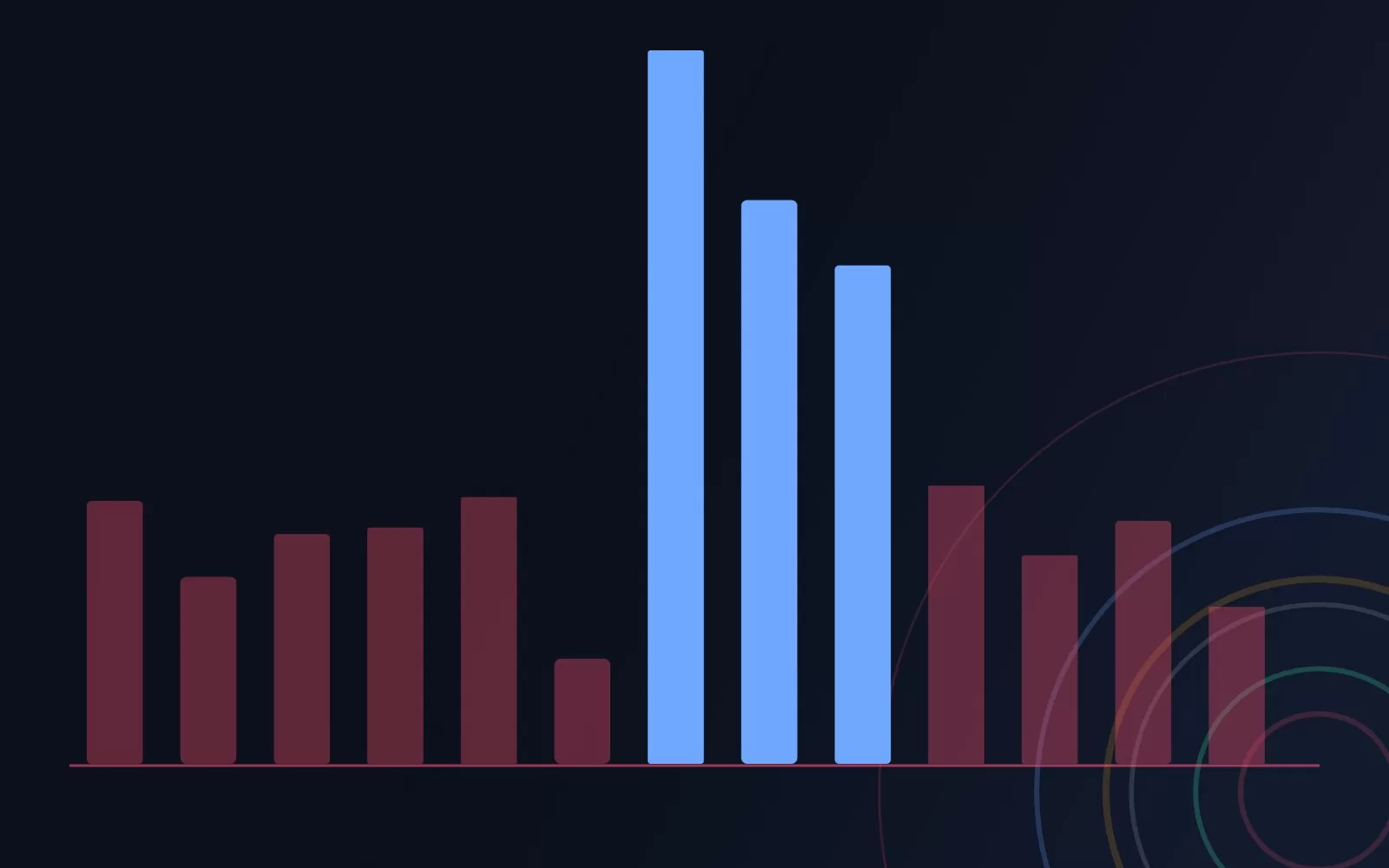
In crowded local markets, a single click can cost several dollars. When a competitor realizes that your ad sits above theirs, clicking it a few times every morning becomes a cheap way to push you out of the auction. Once your daily budget runs out, their ad gets the top spot for the rest of the day.
Why competitor click fraud works
Google Ads charges you for every valid click. A competitor does not need hundreds of clicks to hurt you. Ten or fifteen clicks on your most expensive keyword, spread over the first hours of the day, can be enough to empty a small budget. Because these clicks come from a real person with a real browser, they often look normal at first glance.

Google filters a share of this activity and does not charge for clicks it classifies as invalid. You can read how Google defines these clicks on its invalid clicks help page. The rest still reaches your bill, so your own monitoring matters.
Competitor click fraud patterns in your reports
Unlike bots, a rival works office hours. That habit shows up in your data.
- Click spikes at the start of the working day or around lunch
- Most clicks coming from one city or even one district
- Repeated clicks on your brand name or your priciest keyword
- Sessions that end within seconds, with no call or form
- Activity that drops on weekends and holidays
Competitor click fraud versus normal competition
Not every rise in cost means fraud. A rival raising bids also increases your cost per click, but conversions keep coming. With competitor click fraud, clicks rise while conversions stay flat. That gap is the signal to look for.
First steps to stop it
- Add the invalid clicks column to your campaign table and watch it weekly.
- Check the hour of day report for repeating peaks.
- Pull IP addresses for ad visits from your server logs.
- Exclude addresses that click repeatedly without converting.
- Lower bids during the hours when the peaks appear.
Before you act, run the quick checks in competitors clicking my ads and compare them with the signs of click fraud list. If the pattern continues, file an investigation with Google and include the dates, IP addresses and keywords involved. A clear, short summary speeds up the review. Over time, a well kept log turns competitor click fraud from a mystery into a problem with a known source and a known fix.